AgricultureID
Global Agriculture Knowledge
Evidence-based agricultural knowledge, practical context, and structured reference data for crops, soils, plant health, livestock, and farming systems.
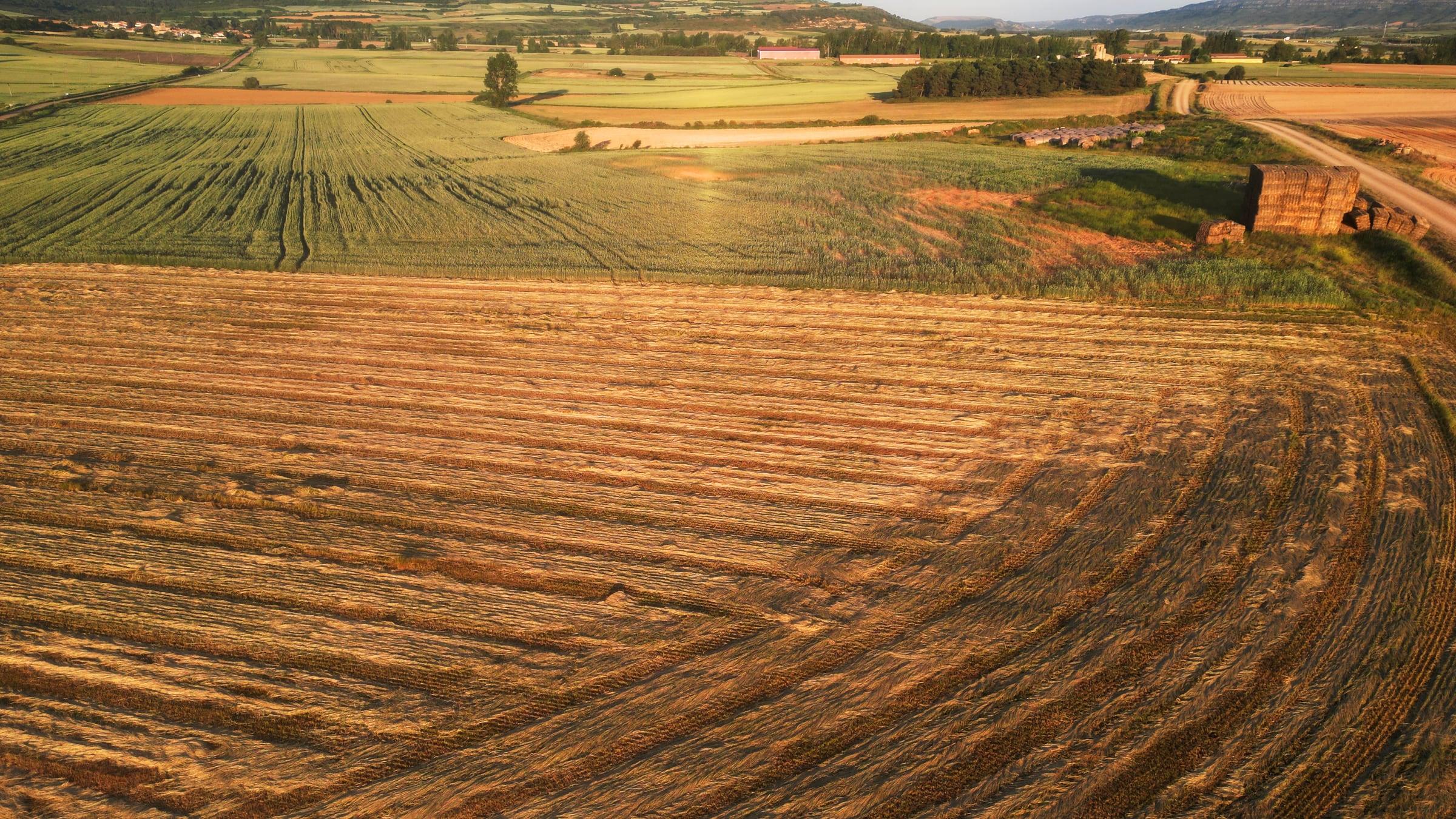
Photo: Jesús Gómez Fernández via Wikimedia Commons, CC BY 4.0. Cropped and resized from the original.

- Evidence-led content
- Traceable sources
- Global scope
- Clearly dated updates
Explore key topics
Structured agriculture, not a flat blog
The knowledge base is organized by domain, with each section connected through typed relationships and source-backed entries.
257 published entries
Crops
Field, cereal, oilseed, and horticultural crops with agronomy, requirements, and associated pests and diseases.
Crop profiles, agronomy, uses, and linked risks.
21 published entries
Soils
Soil textures and types, their properties, management considerations, and crop suitability.
Texture, fertility, management, and crop suitability.
50 published entries
Plant Diseases
Fungal, bacterial, and other plant diseases — identification, biology, hosts, and prevention principles.
Identification, biology, hosts, and prevention principles.
65 published entries
Pests
Insect and arthropod pests of crops — biology, hosts, monitoring, and integrated management principles.
Monitoring, host crops, and integrated management context.
24 published entries
Livestock
Farm animal species — production context, husbandry considerations, nutrition, and welfare.
Species, husbandry, nutrition, and welfare context.
Overview hub
Farming Systems
Agricultural production systems, from conventional and organic to regenerative, protected, and soilless cultivation.
How production systems connect crops, soils, water, and inputs.
Featured crop
Wheat
Triticum aestivum (bread wheat); Triticum durum (durum wheat)
Wheat is a temperate cereal grown worldwide for grain used in flour, feed, and processed foods. It is cultivated as winter or spring types across a wide range of climates and soils.
- Botanical family
- Poaceae (true grasses)
- Life cycle
- Annual (winter or spring types)
- Main species
- Triticum aestivum, Triticum durum
- Primary uses
- Flour and bakery products, pasta, animal feed
Why it matters in the registry
Wheat links crop biology, soil suitability, water context, plant disease, pest pressure, and source methodology in one validated page. The article avoids universal rates and dates where decisions are local.
Geographic scope
Global overview. Agronomic details (timing, rates, varieties) are region-specific and vary widely.
Climate context
Cool-season crop grown across temperate and semi-arid regions, rain-fed or irrigated.
Updated Jul 12, 2026; reviewed Jul 12, 2026
Global knowledge and local context
A reference system built for regional judgment
AgricultureID separates stable reference knowledge from field decisions that depend on climate, regulation, soil tests, varieties, and production goals.
Global references
Entries describe broadly applicable concepts while naming the geographic scope and limitations of each page.
Local decisions
Rates, dates, varieties, pest thresholds, and regulatory controls remain local decisions tied to field conditions.
Connected context
Crops, soils, pests, diseases, and livestock are linked through typed relationships validated by the content graph.
Latest knowledge
Recently updated entries
Selected from published registry entries using their recorded update dates.
Crop
Anise
Anise is an annual umbellifer grown for aromatic seed, ripening unevenly across a branched inflorescence so that harvest timing trades shattering losses against immature seed.
Updated Sep 3, 2026
Crop
Arrowroot
Arrowroot is a rhizome crop grown almost entirely for extracted starch, dug after ten to twelve months and processed within days because the rhizome deteriorates fast once lifted.
Updated Sep 3, 2026
Crop
Bottle Gourd
Bottle gourd is a vigorous night-flowering cucurbit eaten as an immature fruit, dried at maturity into a hard-shelled container, and used across Asia as the standard rootstock for grafted watermelon.
Updated Sep 3, 2026
Crop
Caraway
Caraway is an umbellifer grown for aromatic seed in a two-year cycle, occupying the ground through a winter before it yields and shattering readily once ripe.
Updated Sep 3, 2026
Source methodology
Every claim needs provenance
AgricultureID cites sources through a structured registry. The current registry contains 216 source records, and published entries fail validation if citations do not resolve.
Mentioned organizations are cited for public reference material; their presence is not an endorsement of AgricultureID.
Food and Agriculture Organization of the United Nations (FAO)
Global
Food and Agriculture Organization of the United Nations (FAO)
Global
FAO Land and Water Division
Global
FAO Global Soil Partnership
Global
FAO Commission on Genetic Resources for Food and Agriculture
Global
United States Department of Agriculture (USDA)
United States