Farming System · Farming system
Contour Farming
Also known as: Contour cultivation, Contour cropping
Contour farming plants and cultivates crops in rows that follow the natural contour lines of sloped land rather than running up and down the slope, slowing water runoff and reducing soil erosion.
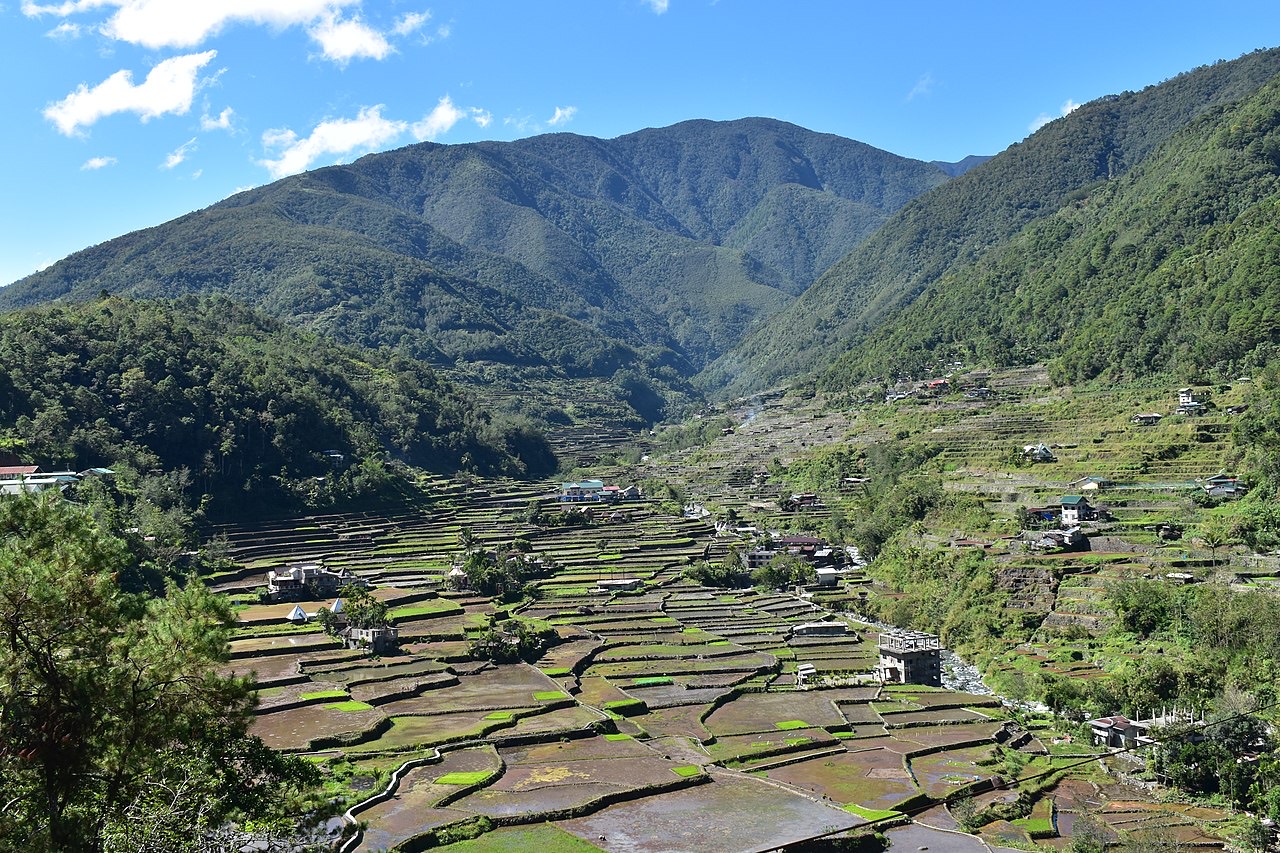
On sloped fields, rows planted across the slope, following its contour lines, act as small barriers that slow the velocity of surface runoff, allowing more water to infiltrate and trapping sediment before it moves downslope. This contrasts with rows planted up and down the slope, which can channel water and accelerate erosion.
Contour farming is often combined with other erosion-control practices, such as strip cropping, terracing, or grassed waterways, on steeper terrain. Its effectiveness depends on slope gradient and length, soil type, and rainfall intensity, so it is one tool among several for managing erosion risk rather than a complete solution on its own.
How contour farming works
Fields are surveyed or mapped to identify contour lines, and tillage, planting, and cultivation operations follow those lines rather than farm boundaries or the fall of the slope.
- Rows planted along the contour create small ridges and furrows across the slope
- These ridges act as mini-barriers that slow runoff and encourage infiltration
- Contour lines are typically established using surveying equipment or elevation data
When it is most effective
Contour farming provides the most erosion-control benefit on gentle to moderate slopes; on steep or long slopes, runoff can still gain enough volume and speed to overtop contour ridges unless combined with additional measures.
| Slope condition | Typical approach |
|---|---|
| Gentle slopes | Contour farming alone may substantially reduce erosion |
| Moderate slopes | Often combined with strip cropping or cover crops |
| Steep or long slopes | Usually requires terracing or additional structural measures |
Principles and practices
- Surveying and marking contour lines before establishing row patterns
- Adapting row spacing and field layout to the mapped contours
- Maintaining vegetative cover or residue to reinforce runoff control
- Combining with reduced tillage or cover crops for added erosion protection
Benefits and trade-offs
- Reduces surface runoff velocity and associated soil loss on sloped cropland
- Can increase water infiltration, benefiting soil moisture availability
- Relatively low-cost to implement compared with structural measures like terracing
- Benefit diminishes on steep or long slopes without added structural measures
- Field layout constraints can complicate machinery operation on irregular terrain
- Does not eliminate erosion risk during high-intensity rainfall events
Where contour farming is used
Contour farming is used on sloped cropland worldwide, particularly across hilly grain and row-crop regions where erosion control is a management priority.
Relationships
Evidence-backed connections in the knowledge graph.
Scope & limitations
Geographic scope: Applicable on sloped cropland worldwide; effectiveness depends on local slope, soil, and rainfall characteristics.
- Benefits diminish on steep or long slopes without additional structural measures such as terracing.
- Does not eliminate erosion risk during high-intensity rainfall events; no universal erosion-reduction figure is given.
Sources
This article draws on the following authoritative sources. See our sources & methodology for how they are selected.
- [1]USDA NRCS — Natural Resources Conservation Service (opens in a new tab)Authoritative
USDA Natural Resources Conservation Service (NRCS)
Cited for: Contour farming practice standards and erosion control
- Type:
- Government agency
- Jurisdiction:
- United States
- Accessed:
- 2026-07-12
- [2]FAO — Food and Agriculture Organization (opens in a new tab)Authoritative
Food and Agriculture Organization of the United Nations (FAO)
Cited for: Soil conservation practices on sloped cropland
- Type:
- Intergovernmental organization
- Jurisdiction:
- Global
- Accessed:
- 2026-07-12
- Authoritative
Cited for: Soil erosion processes and management context
- Type:
- Intergovernmental organization
- Jurisdiction:
- Global
- Accessed:
- 2026-07-12
- [4]Cornell CALS — Plant pathology and crop resources (opens in a new tab)High
Cornell University College of Agriculture and Life Sciences
Cited for: Field layout and conservation practice guidance
- Type:
- University extension service
- Jurisdiction:
- United States (New York)
- Accessed:
- 2026-07-12