Soil · Soil texture
Peat Soil
Also known as: Organic soil, Muck soil
Peat soil is an organic soil formed from partially decomposed plant material that accumulates under waterlogged conditions. It is typically acidic and holds large amounts of water, but drainage and cultivation raise significant subsidence and conservation concerns.
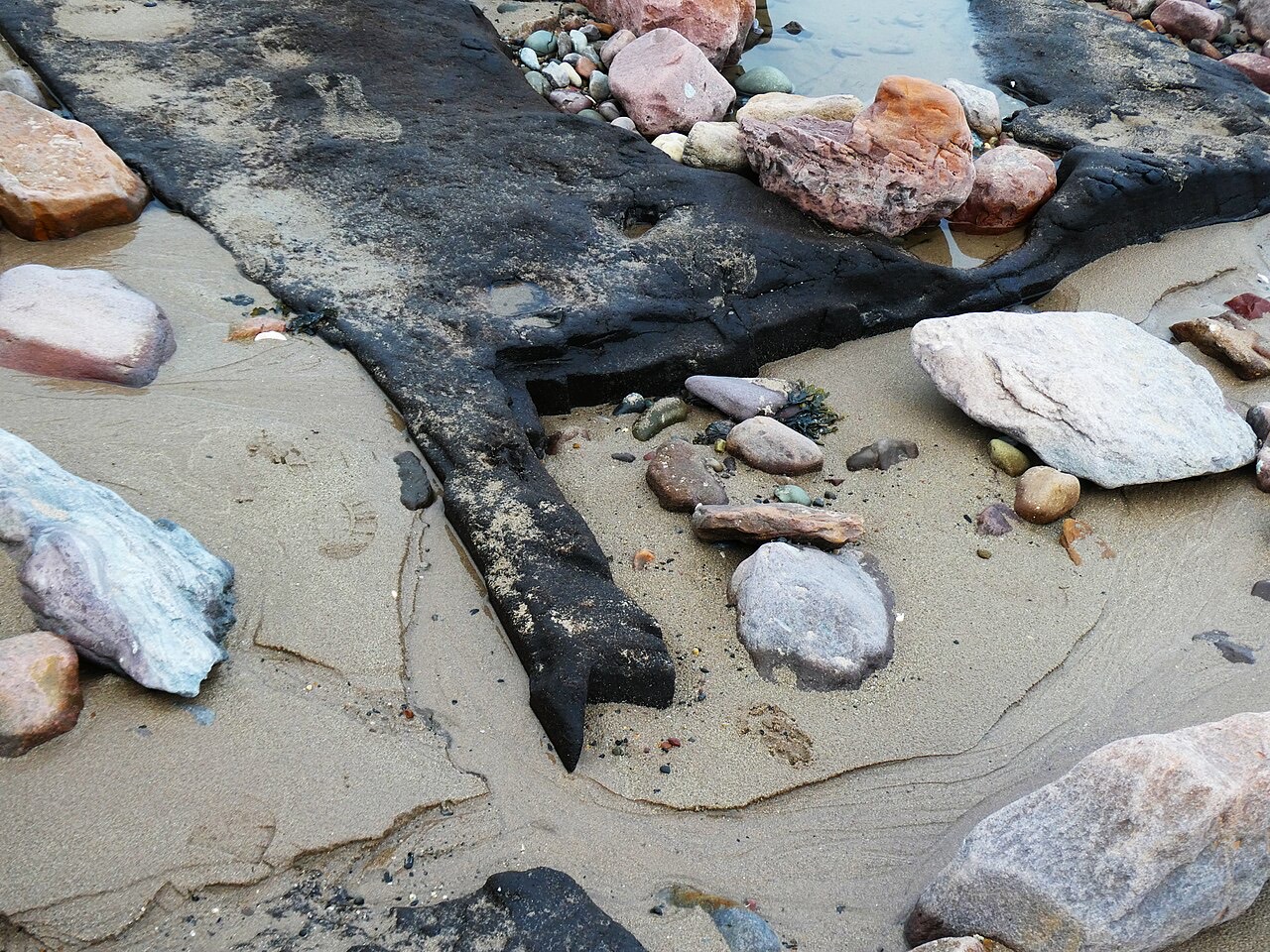
Peat soil differs fundamentally from mineral soils such as sand, silt, and clay: instead of being classified by mineral particle size, it is defined by a high content of organic matter, often accumulated over thousands of years under waterlogged, low-oxygen conditions that slow decomposition.
Because peat forms in wetlands, bogs, and fens, undisturbed peat soils are naturally saturated and store large amounts of carbon. When drained for agriculture, peat soils lose water and begin to shrink, compact, and decompose, which changes their properties over time and raises long-term sustainability questions distinct from those of mineral soils.
Overview
Peat soils form where waterlogging and low oxygen availability slow the decomposition of plant material, allowing organic matter to accumulate faster than it breaks down. Over long periods this builds up soils that are largely organic rather than mineral in composition, distinguishing peat from the sand-silt-clay textural classes used for mineral soils.
Organic matter content and acidity
The defining feature of peat soil is its high organic matter content, which can approach or exceed the total mass typical of mineral soils. This organic material gives peat a low bulk density and a dark colour, and it is a major reason peat soils can hold very large amounts of water relative to their weight.
- Acidity
- Many peat soils, particularly those formed from sphagnum moss in bogs, are strongly acidic; fen peats formed under more mineral-influenced water can be closer to neutral. Local testing is needed to confirm actual pH.
- Nutrient behaviour
- Nutrient availability in peat differs from mineral soils; some nutrients can be abundant in organic form but not immediately plant-available, and acidity can limit uptake of others.
- Bulk density
- Very low compared with mineral soils, which contributes to their high water-holding capacity but also to their tendency to shrink when dried.
Drainage and subsidence
In their natural, undisturbed state, peat soils are saturated and poorly drained, which is precisely the condition that allowed them to form. Agricultural use generally requires drainage, but drainage exposes organic matter to oxygen, accelerating decomposition and causing the soil surface to subside over time.
Conservation and handling considerations
Peat soils are recognised as significant stores of soil carbon accumulated over long periods. Drainage and cultivation release stored carbon through oxidation, which is why peatland drainage and management are subjects of active environmental and agricultural policy attention in many regions.
- Minimise drainage depth and disturbance where peatland conservation is a priority
- Recognise that subsidence and carbon loss are ongoing while drained peat is cultivated
- Follow local and national guidance on peatland management, which varies by jurisdiction and protection status
- Consider rewetting or restoration options where agricultural use is being reduced or ended
Crop suitability
Drained and managed peat soils are used in some regions for specialised horticultural and vegetable production, taking advantage of their high organic matter and water-holding capacity once acidity is corrected through liming where needed. However, peat is generally unsuited to most broad-acre field crops without substantial drainage, pH correction, and ongoing management, and its use for cultivation carries the conservation trade-offs described above.
Assessing a peat soil
Peat is identified primarily by its high organic matter content and dark colour rather than by mineral particle size, and is typically confirmed through laboratory analysis of organic matter content, pH, and depth of the organic layer. Local soil survey and drainage authority information are important given the environmental sensitivity of peatland.
Relationships
Evidence-backed connections in the knowledge graph.
Scope & limitations
Geographic scope: General soil-science overview applicable worldwide; peatland extent, regulation, and conservation status vary greatly by country and region.
Climate context: Peat formation and stability depend on climate and hydrology; warmer, drier conditions accelerate decomposition and subsidence once peat is drained.
- Individual peatlands vary widely in depth, origin, acidity, and conservation status; local survey and regulatory guidance should be consulted before any cultivation or drainage.
- Peat behaves very differently from mineral soils, so texture-based management guidance for sand, silt, or clay does not transfer directly to peat.
- Drainage-related subsidence and carbon loss are long-term, largely irreversible processes that general guidance cannot fully quantify for a specific site.
Sources
This article draws on the following authoritative sources. See our sources & methodology for how they are selected.
- [1]USDA NRCS — Natural Resources Conservation Service (opens in a new tab)Authoritative
USDA Natural Resources Conservation Service (NRCS)
Cited for: Organic soil properties and classification
- Type:
- Government agency
- Jurisdiction:
- United States
- Accessed:
- 2026-07-12
- Authoritative
Cited for: Soil function, classification, and conservation context
- Type:
- Intergovernmental organization
- Jurisdiction:
- Global
- Accessed:
- 2026-07-12
- High
Cited for: Global soil properties and information
- Type:
- Research institute
- Jurisdiction:
- Global
- Accessed:
- 2026-07-12