Fertilizer · Fertilizer
Poultry manure
Also known as: Poultry litter, Broiler litter
Poultry manure is an organic fertilizer derived from chicken or other poultry excreta, often mixed with bedding material as litter, supplying nitrogen, phosphorus, and potassium at concentrations that are typically higher and more variable than cattle-based manures.
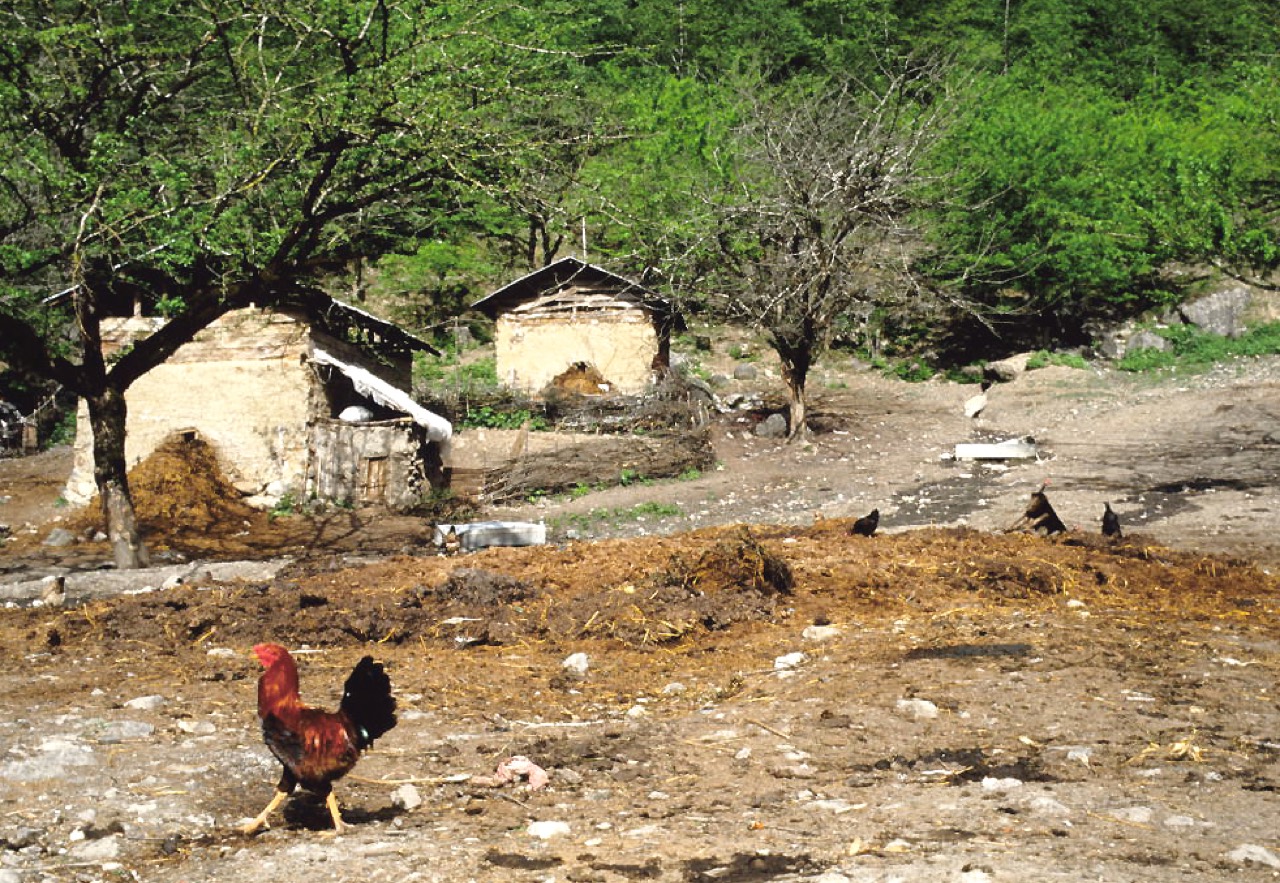
Poultry manure, frequently handled as litter combining excreta with bedding such as wood shavings or straw, is a widely available organic fertilizer in regions with concentrated poultry production. Its nutrient content is generally higher, particularly in nitrogen and phosphorus, than that of cattle or other large-livestock manures on a per-tonne basis.
Nutrient concentration and form vary considerably with bird type (layer, broiler, or turkey), diet, litter material, and storage conditions, and a meaningful share of the nitrogen present can be lost as ammonia during storage and after field application if not managed carefully.
Composition and analysis
Poultry manure composition reflects the bird type, feed ration, litter material used in housing, and how long and under what conditions the material has been stored before spreading. Layer manure, broiler litter, and turkey litter can differ noticeably in nutrient concentration and moisture content.
| Material | General nutrient concentration |
|---|---|
| Poultry manure/litter | Typically higher and more concentrated in nitrogen and phosphorus per tonne |
| Farmyard (cattle) manure | Typically lower and more dilute, with a bulkier, wetter material |
Nutrients supplied
Poultry manure supplies nitrogen, phosphorus, and potassium in a mix of readily available and organically bound forms, together with organic matter. Its nitrogen content is often high enough that it is managed as a significant nitrogen source rather than a minor supplement.
- A relatively fast-mineralising nitrogen fraction contributes to short-term crop-available nitrogen
- Phosphorus content is often high relative to crop phosphorus need, raising a build-up risk with repeated use
- Contributes organic matter, though generally less bulk per unit of nutrient than cattle manure
Use and benefits
Poultry manure is used across cereal, vegetable, and forage systems as a nitrogen- and phosphorus-rich organic fertilizer, particularly valuable in regions with concentrated poultry production where local availability lowers transport cost relative to its nutrient content.
- A relatively concentrated organic nutrient source compared with other manures
- Recycles nutrients from poultry production back into cropland
- Contributes to soil organic matter, though in smaller volumes than bulkier manures
Application principles
Because nitrogen and phosphorus content and availability vary considerably, general practice is to test the manure where feasible and apply based on the more limiting nutrient — often phosphorus given its comparatively high concentration in poultry manure — to avoid long-term soil phosphorus accumulation.
Environmental considerations
Poultry manure’s relatively high and readily available nitrogen content makes it prone to ammonia volatilisation losses if left unincorporated, and its comparatively high phosphorus content raises the risk of phosphorus accumulation and runoff where application is repeatedly based on a nitrogen target rather than phosphorus.
Tools for this
Each tool shows its formula, constants and sources, and starts empty — nothing is filled in from this page.
- Nutrient rate converter
Convert between a product rate and the nutrient rate it supplies, at a grade you enter.
- Fertilizer nutrient calculator
Convert a fertilizer mass and grade to nutrient mass, including P₂O₅ to P and K₂O to K.
Relationships
Evidence-backed connections in the knowledge graph.
Supplies nutrients
Scope & limitations
Geographic scope: Global overview of poultry manure as an organic fertilizer, most concentrated and available in regions with intensive poultry production. Manure-management regulations vary by region.
Climate context: Ammonia volatilisation and nitrogen mineralisation from poultry manure both increase with warmer temperatures, affecting nutrient timing and loss risk.
- This entry describes poultry manure as a category; nutrient content varies substantially by bird type, diet, litter material, and storage and is not quantified here.
- This is not an application rate recommendation for any crop or region.
- Phosphorus accumulation risk depends on application history and local soil test levels, which are not addressed here.
Sources
This article draws on the following authoritative sources. See our sources & methodology for how they are selected.
- [1]FAO — Food and Agriculture Organization (opens in a new tab)Authoritative
Food and Agriculture Organization of the United Nations (FAO)
Cited for: Poultry manure as an organic fertilizer resource
- Type:
- Intergovernmental organization
- Jurisdiction:
- Global
- Accessed:
- 2026-07-12
- [2]USDA NRCS — Natural Resources Conservation Service (opens in a new tab)Authoritative
USDA Natural Resources Conservation Service (NRCS)
Cited for: Poultry litter nutrient content and management
- Type:
- Government agency
- Jurisdiction:
- United States
- Accessed:
- 2026-07-12
- [3]Cornell CALS — Plant pathology and crop resources (opens in a new tab)High
Cornell University College of Agriculture and Life Sciences
Cited for: Manure nutrient testing and phosphorus management
- Type:
- University extension service
- Jurisdiction:
- United States (New York)
- Accessed:
- 2026-07-12
- [4]AHDB — Agriculture and Horticulture Development Board (opens in a new tab)High
Agriculture and Horticulture Development Board (AHDB)
Cited for: Organic nutrient management context
- Type:
- Government agency
- Jurisdiction:
- United Kingdom
- Accessed:
- 2026-07-12