Livestock · Livestock
Pigs
Sus scrofa domesticus
Also known as: Hogs, Swine, Sows, Boars
Pigs are monogastric, single-stomached omnivores raised worldwide primarily for pork. They are efficient converters of formulated feed into meat and are managed across systems ranging from intensive indoor operations to outdoor and smallholder settings.
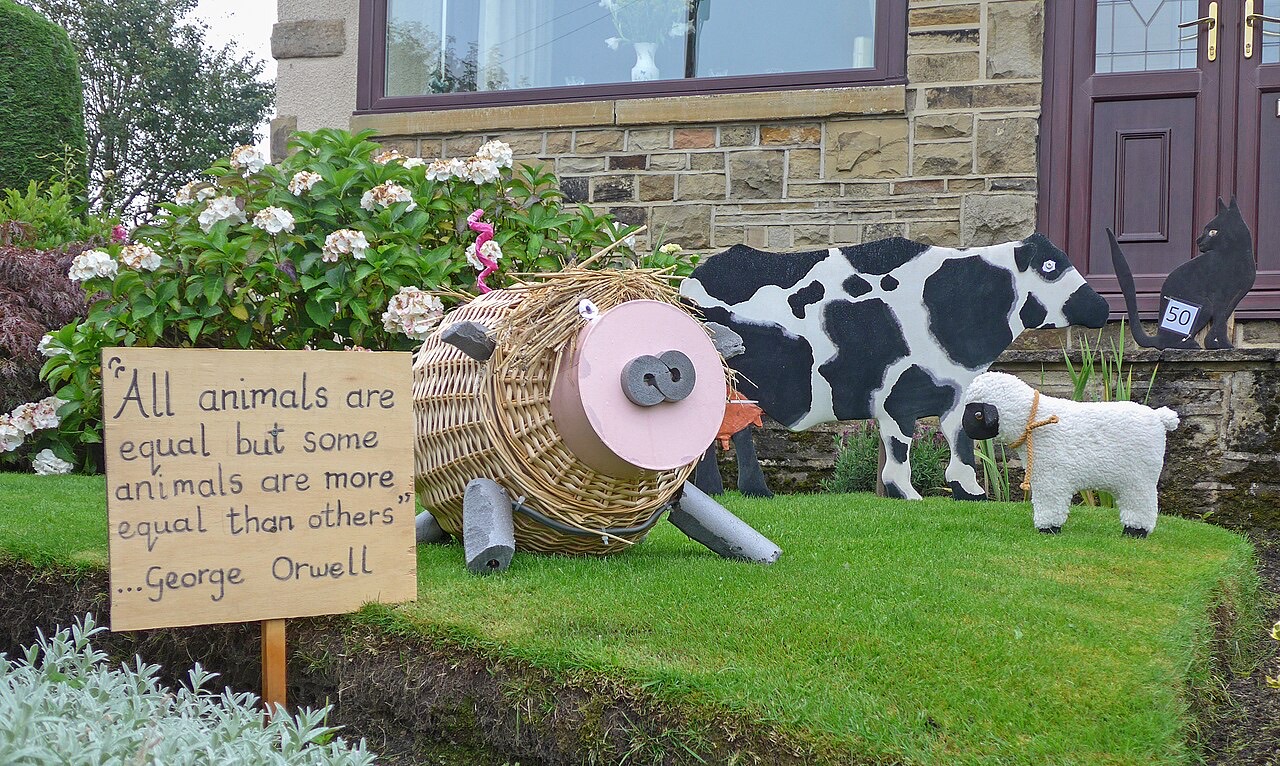
Pigs are among the most widely farmed livestock species globally, valued primarily for pork production. Unlike ruminants such as cattle, sheep, and goats, pigs are monogastric — they have a single-chambered stomach rather than a multi-compartment fermenting rumen — and are naturally omnivorous, with digestive physiology broadly similar in principle to that of humans.
This non-ruminant digestive system means pigs cannot efficiently ferment large volumes of fibrous forage the way ruminants do. Instead, commercial pig production relies on formulated diets based on grains and protein sources, which pigs convert into meat with notable efficiency relative to many other livestock species.
Overview
Pig production is organised around distinct life-stage and purpose groupings: breeding herds (sows and boars) producing piglets, and growing–finishing operations raising pigs to market weight for pork. Commercial production frequently uses crossbred or hybrid lines developed for specific traits such as growth rate, feed efficiency, and carcass quality.
- Breeding stock — sows and boars managed for reproduction and genetic improvement.
- Growing–finishing pigs — raised from weaning to market weight primarily for pork.
- Systems range from large, environmentally controlled indoor facilities to outdoor and pasture-based operations and smallholder backyard rearing.
Types and breeds
- Commercial hybrid lines
- Crossbred pigs developed by commercial breeding companies, selected for growth rate, feed efficiency, litter size, and carcass characteristics; dominant in large-scale production.
- Traditional and heritage breeds
- Purebred lines maintained for genetic diversity, specific market niches, or regional traditions, often with different growth and carcass profiles than commercial hybrids.
- Local and landrace breeds
- Adapted over generations to local climate, feed resources, and smallholder conditions in specific regions.
Breed and genetic-line diversity is documented internationally, including through FAO’s Domestic Animal Diversity Information System (DAD-IS), which records breeds and their status by country.
Nutrition and feeding
As monogastric omnivores, pigs are fed formulated diets rather than forage-based rations. Diets are typically built around cereal grains and protein sources, balanced with vitamins and minerals to match the animal’s life stage and production goal. This differs fundamentally from ruminant feeding, since pigs lack a rumen capable of efficiently fermenting large quantities of fibrous plant material.
Health and welfare
Pig health and welfare depend on appropriate nutrition and water, suitable housing or shelter with attention to temperature and ventilation, biosecurity to limit disease introduction and spread, and handling and environmental enrichment suited to pigs’ intelligent and social nature.
Production context
Pig production is a major global source of animal protein and interacts closely with grain and protein-feed markets, given its reliance on formulated feed rather than grazed forage. Systems range from highly intensive, vertically integrated commercial operations to extensive outdoor and smallholder rearing, with biosecurity, manure management, and feed sourcing among the key considerations that vary by system and region.
Official extension guidance
3 resources indexed from public extension publishers. Each was written for a particular place; read it at the source.
Guide published by AHDB for Great Britain. It addresses pigs. The source is organised around “Porcine reproductive and respiratory syndrome”, “Pleuritis in pigs” and “Enzootic pneumonia and EP-like lesions”.
Agriculture and Horticulture Development Board · Disease management · publisher states no date; reachable 2026-08-27
Feral Swine in Ohio: Managing Damage and Conflicts
Factsheet published by Ohio State University Extension for Ohio. It addresses pigs. The source is organised around “Feral Swine in Ohio”, “Damage and Disease” and “Feral Swine Management in Ohio”.
Ohio State University Extension · Disease management, Livestock management · publisher states no date; reachable 2026-08-27
Swine Production Resources for Beginning Farmers
Factsheet published by University of Maryland Extension for Maryland. It addresses pigs. The source is organised around “Swine Production” and “Explore Additional Beginning Farmer Livestock Resources”.
University of Maryland Extension · Livestock management · publisher states 2021-03-30
These are pointers to guidance published by others. Each was written for a particular place and season and is revised by its publisher; read it at the source, and check it applies where you farm.
Relationships
Evidence-backed connections in the knowledge graph.
Notable breeds
Documented breeds tied to this species, with registry status and sources on each page. Not an exhaustive list.
- BerkshireThe Berkshire is one of the oldest recorded English pig breeds, black with six white points, valued for high-quality, well-marbled pork. It is marketed as Kurobuta pork in Japan and is of ongoing conservation interest.
- DurocThe Duroc is a red American pig breed widely used as a terminal sire. It is valued for growth rate, hardiness, and meat with notable intramuscular fat (marbling).
- Gloucestershire Old SpotsThe Gloucestershire Old Spots is a white, black-spotted English pig with large lop ears, traditionally a hardy pasture and orchard pig. It is a dual-purpose heritage breed of ongoing conservation interest.
- HampshireThe Hampshire is a black pig with a distinctive white belt over the shoulders and forelegs, developed in the United States from English belted stock. It is a lean, muscular breed used mainly as a terminal sire.
- LandraceThe Landrace is a white, lop-eared pig breed developed originally in Denmark for bacon and now maintained as national strains worldwide. It is a leading maternal line valued for length, prolificacy, and mothering ability.
- Large WhiteThe Large White, known as the Yorkshire in North America, is a white, erect-eared English pig breed and one of the most important maternal lines in commercial pig production worldwide.
- MangalicaThe Mangalica is a Hungarian lard-type pig with a distinctive thick, curly, woolly coat. Once near extinction, it has recovered through conservation and demand for its high-fat, richly flavoured meat and cured products.
- PietrainThe Pietrain is a Belgian pig breed, white with black spots, exceptionally heavily muscled and used as a terminal sire to add leanness and muscling. It is historically associated with the halothane stress-susceptibility gene.
- TamworthThe Tamworth is a ginger-red English pig, one of the oldest and least-improved British breeds. Hardy and an active forager, it is a bacon-type pig kept in outdoor systems and is of ongoing conservation interest.
Scope & limitations
Geographic scope: Global overview; breeds, systems, regulations, and guidance vary widely by country and region.
Climate context: Pigs are farmed from tropical to cold-temperate regions; housing and environmental management differ substantially with climate.
- This is a general species overview, not breed-, system-, or region-specific husbandry guidance.
- Health, medicine, and welfare practices are governed by local regulation and veterinary advice and are not detailed here.
- Specific diet formulations and biosecurity protocols vary by production system and are not provided here.
Sources
This article draws on the following authoritative sources. See our sources & methodology for how they are selected.
- [1]FAO — Food and Agriculture Organization (opens in a new tab)Authoritative
Food and Agriculture Organization of the United Nations (FAO)
Cited for: Pig production systems and global role
- Type:
- Intergovernmental organization
- Jurisdiction:
- Global
- Accessed:
- 2026-07-12
- [2]DAD-IS — Domestic Animal Diversity Information System (opens in a new tab)Authoritative
FAO Commission on Genetic Resources for Food and Agriculture
Cited for: Pig breeds and genetic diversity
- Type:
- Official registry
- Jurisdiction:
- Global
- Accessed:
- 2026-07-12
- [3]WOAH — World Organisation for Animal Health (opens in a new tab)Authoritative
World Organisation for Animal Health (WOAH)
Cited for: Animal health and welfare standards
- Type:
- Intergovernmental organization
- Jurisdiction:
- Global
- Accessed:
- 2026-07-12
- [4]National Academies Press — Nutrient Requirements series (opens in a new tab)High
National Research Council, U.S. National Academies
Cited for: Nutrient requirement references
- Type:
- Peer-reviewed literature
- Jurisdiction:
- Global
- Accessed:
- 2026-07-12
- [5]USDA ARS — Agricultural Research Service (opens in a new tab)Authoritative
USDA Agricultural Research Service (ARS)
Cited for: Swine production research context
- Type:
- Government agency
- Jurisdiction:
- United States
- Accessed:
- 2026-07-12