Soil · Soil type
Saline Soil
Also known as: Salt-affected soil, Salinized soil
Saline soil contains elevated levels of soluble salts in the soil solution, raising osmotic stress on plant roots and reducing water availability even when soil moisture is present. It commonly develops in arid and semi-arid regions, poorly drained land, and irrigated areas with inadequate leaching or drainage.
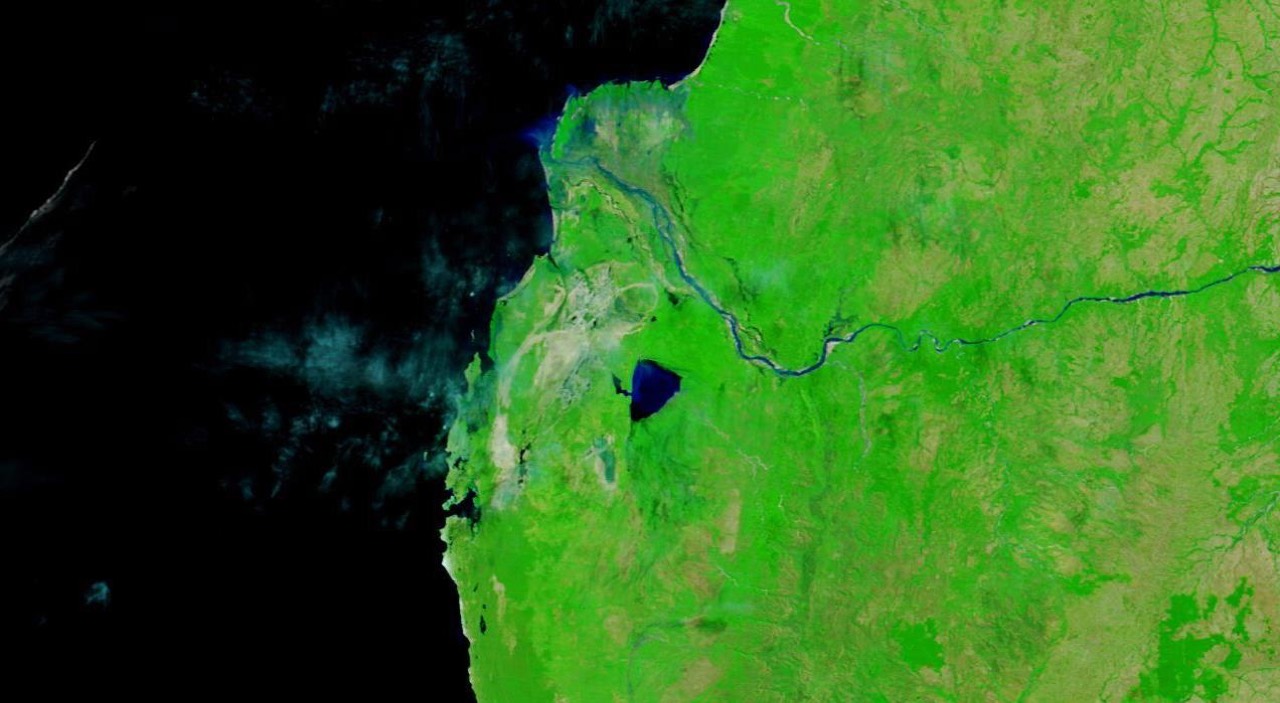
Soil salinity is measured by the electrical conductivity (EC) of the soil solution, which rises with the concentration of soluble salts. Saline soils occur naturally in arid and semi-arid regions where evaporation exceeds rainfall and salts are not leached away, and can also develop or intensify through human activity, particularly irrigation with saline water or insufficient drainage.
Saline soils are related to, but distinct from, sodic soils, in which high exchangeable sodium causes structural breakdown rather than primarily osmotic stress; some soils are affected by both conditions together. High soluble salt content can occur across any texture class, though poor drainage in fine-textured soils often makes salinity harder to manage.
Overview
Salinity is defined by the concentration of soluble salts in the soil solution rather than by texture, and can develop on almost any soil type given the right combination of climate, drainage, and water source. It is distinct from, though sometimes associated with, sodic soils, where high exchangeable sodium causes structural rather than primarily osmotic problems.
Physical and chemical properties
- Osmotic effect
- High salt concentration in the soil solution reduces the ability of roots to draw in water, even when soil moisture content appears adequate.
- Ion toxicity
- Specific ions such as sodium or chloride can be directly toxic to sensitive crops at high concentrations.
- Drainage interaction
- Poor drainage concentrates salts near the surface through evaporation and capillary rise, especially in low-lying or fine-textured soils.
- Texture independence
- Salinity can occur in soils of any texture class; the underlying cause is the salt content of the soil solution, not the mineral particles themselves.
Management considerations
Managing saline soils centres on moving salts below the root zone and preventing their re-accumulation, alongside matching crop choice to the salinity level present.
- Improve drainage to allow leaching of salts below the root zone
- Where water supply and drainage allow, apply enough water beyond crop needs to leach accumulated salts
- Select salt-tolerant crops or varieties suited to the local salinity level
- Where sodium accumulation is also a factor, gypsum applications are a common reclamation tool used under local agronomic guidance
Crop suitability
Barley is among the more salt-tolerant cereal crops and is commonly grown on moderately saline soils. Sugar beet is also relatively salt-tolerant. Many other crops are considerably more sensitive and can suffer yield loss at salinity levels that barley or sugar beet tolerate well.
Assessing a saline soil
Soil salinity is assessed through laboratory testing of electrical conductivity, typically from a saturated paste extract or a standard soil-to-water extract. Local extension services or accredited soil laboratories provide the most reliable testing and interpretation for a given crop and region.
Relationships
Evidence-backed connections in the knowledge graph.
Scope & limitations
Geographic scope: General soil-science overview of salt-affected soils occurring in arid and semi-arid regions worldwide and in some irrigated or poorly drained lowlands; salinity levels and causes vary greatly by location.
Climate context: Most prevalent in arid and semi-arid climates where evaporation exceeds rainfall, concentrating salts at or near the surface; irrigation without adequate drainage can produce similar effects in wetter climates.
- Salinity severity and appropriate crop or management thresholds vary by soil, water source, and local climate; this overview does not substitute for site-specific soil and water testing.
- Sodic soils, involving high exchangeable sodium and structural breakdown, are a related but distinct condition that may require different management.
Sources
This article draws on the following authoritative sources. See our sources & methodology for how they are selected.
- [1]USDA NRCS — Natural Resources Conservation Service (opens in a new tab)Authoritative
USDA Natural Resources Conservation Service (NRCS)
Cited for: Soil texture, drainage, and management
- Type:
- Government agency
- Jurisdiction:
- United States
- Accessed:
- 2026-07-12
- Authoritative
Cited for: Soil function and classification context
- Type:
- Intergovernmental organization
- Jurisdiction:
- Global
- Accessed:
- 2026-07-12
- High
Cited for: Global soil properties and information
- Type:
- Research institute
- Jurisdiction:
- Global
- Accessed:
- 2026-07-12
- Authoritative
Cited for: Salinity, drainage, and irrigation water management
- Type:
- Intergovernmental organization
- Jurisdiction:
- Global
- Accessed:
- 2026-07-12