Climate Factor · Climate factor
Monsoon
Also known as: Monsoon season, Monsoon climate
A monsoon is a seasonal reversal of prevailing winds that brings a pronounced wet season to large parts of South and Southeast Asia, West Africa, and other regions, followed by a markedly drier season, shaping cropping calendars across those areas.
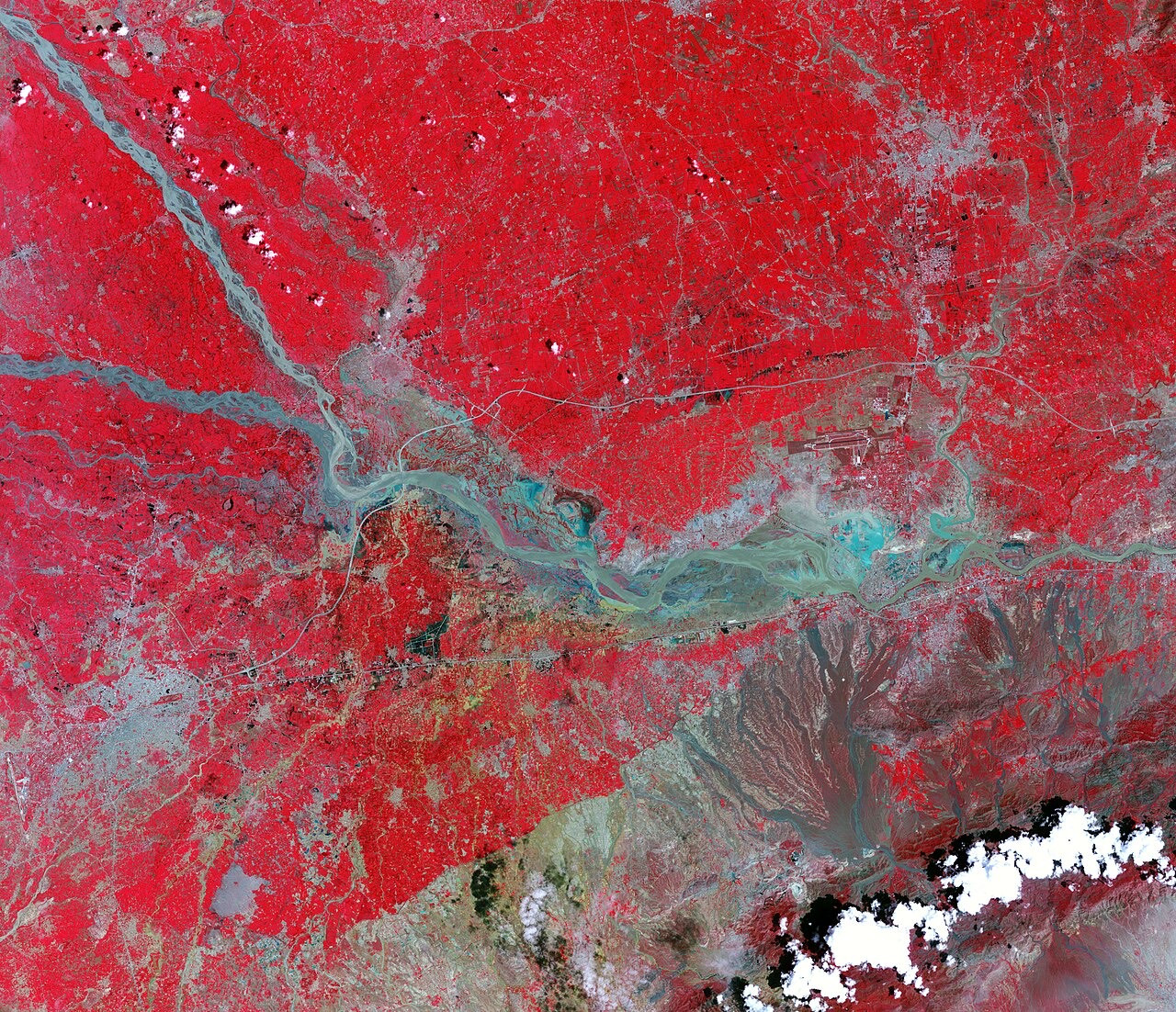
Monsoon systems arise from large-scale seasonal reversals of prevailing winds, driven by differential heating between land and ocean, which bring moisture-laden air onshore during the wet monsoon and drier continental or offshore air during the dry season. Regional monsoon systems, such as the South Asian summer monsoon and the West African monsoon, differ in timing, duration, and reliability.
Monsoon onset, duration, and total rainfall directly shape planting windows for major staple crops, such as rice, in monsoon-dependent regions. A late or unusually weak monsoon can significantly affect a growing season, while an unusually strong one can bring its own risks, such as flooding or waterlogging.
What a monsoon is
A monsoon is characterized by a seasonal reversal of wind direction that brings a wet season with substantially more rainfall than the rest of the year, followed by a distinctly drier season.
- Monsoon onset
- The point in the season when the wind reversal establishes and sustained rainfall begins.
- Monsoon withdrawal
- The point when winds and rainfall shift back toward the dry-season pattern.
- Monsoon trough
- A band of low pressure associated with concentrated rainfall during an active monsoon.
Regional monsoon systems
- South Asian summer monsoon — brings the bulk of annual rainfall to much of the Indian subcontinent
- East Asian monsoon — affects rainfall patterns across parts of East Asia with a distinct seasonal wind shift
- West African monsoon — drives the wet season across the Sahel and adjacent regions
- Australian monsoon — brings a wet season to northern Australia in the austral summer
Why it matters for agriculture
Rice and other staple crop calendars in monsoon-dependent regions are typically built around the expected timing of monsoon rainfall. A delayed or weak monsoon can shorten the effective growing window or increase reliance on irrigation to bridge the gap, while heavy monsoon rainfall can bring flooding or waterlogging risk to low-lying fields.
Variability and risk
Year-to-year variability in monsoon onset and total rainfall is a major source of agricultural risk in monsoon-dependent regions. Weak or delayed monsoon years raise drought risk, while unusually strong or prolonged monsoon rainfall raises flooding and waterlogging risk.
Managing monsoon variability
- Irrigation to bridge dry spells within the monsoon season
- Rainwater harvesting to store surplus monsoon rainfall for later use
- Flexible planting windows or shorter-duration crop varieties
- Field drainage to manage waterlogging risk in heavy monsoon years
Relationships
Evidence-backed connections in the knowledge graph.
Scope & limitations
Geographic scope: Most relevant to South and Southeast Asia, West Africa, and other regions with a defined monsoon climate; timing and reliability differ by regional monsoon system.
- This entry describes monsoon systems in general terms; it does not forecast a specific season's onset or rainfall.
- No region-specific dates, rainfall totals, or thresholds are given, since these vary by regional monsoon system and by year.
Sources
This article draws on the following authoritative sources. See our sources & methodology for how they are selected.
- [1]WMO — World Meteorological Organization (opens in a new tab)Authoritative
World Meteorological Organization (WMO)
Cited for: Monsoon classification and seasonal monitoring standards
- Type:
- Intergovernmental organization
- Jurisdiction:
- Global
- Accessed:
- 2026-07-12
- [2]NOAA — National Oceanic and Atmospheric Administration (opens in a new tab)Authoritative
U.S. National Oceanic and Atmospheric Administration (NOAA)
Cited for: Monsoon and seasonal climate monitoring
- Type:
- Government agency
- Jurisdiction:
- United States
- Accessed:
- 2026-07-12
- [3]FAO — Food and Agriculture Organization (opens in a new tab)Authoritative
Food and Agriculture Organization of the United Nations (FAO)
Cited for: Monsoon-dependent cropping calendars and agricultural risk
- Type:
- Intergovernmental organization
- Jurisdiction:
- Global
- Accessed:
- 2026-07-12
- Authoritative
Cited for: Water availability and irrigation context in monsoon regions
- Type:
- Intergovernmental organization
- Jurisdiction:
- Global
- Accessed:
- 2026-07-12