Pest · Insect pest
Cutworms
Larvae of moths in family Noctuidae, e.g. Agrotis spp. (Lepidoptera)
Also known as: Cutworm caterpillars
Cutworms are night-active caterpillars that shelter in soil or debris by day and sever young seedlings at or near the soil line, posing a classic early-season risk to newly established crops.
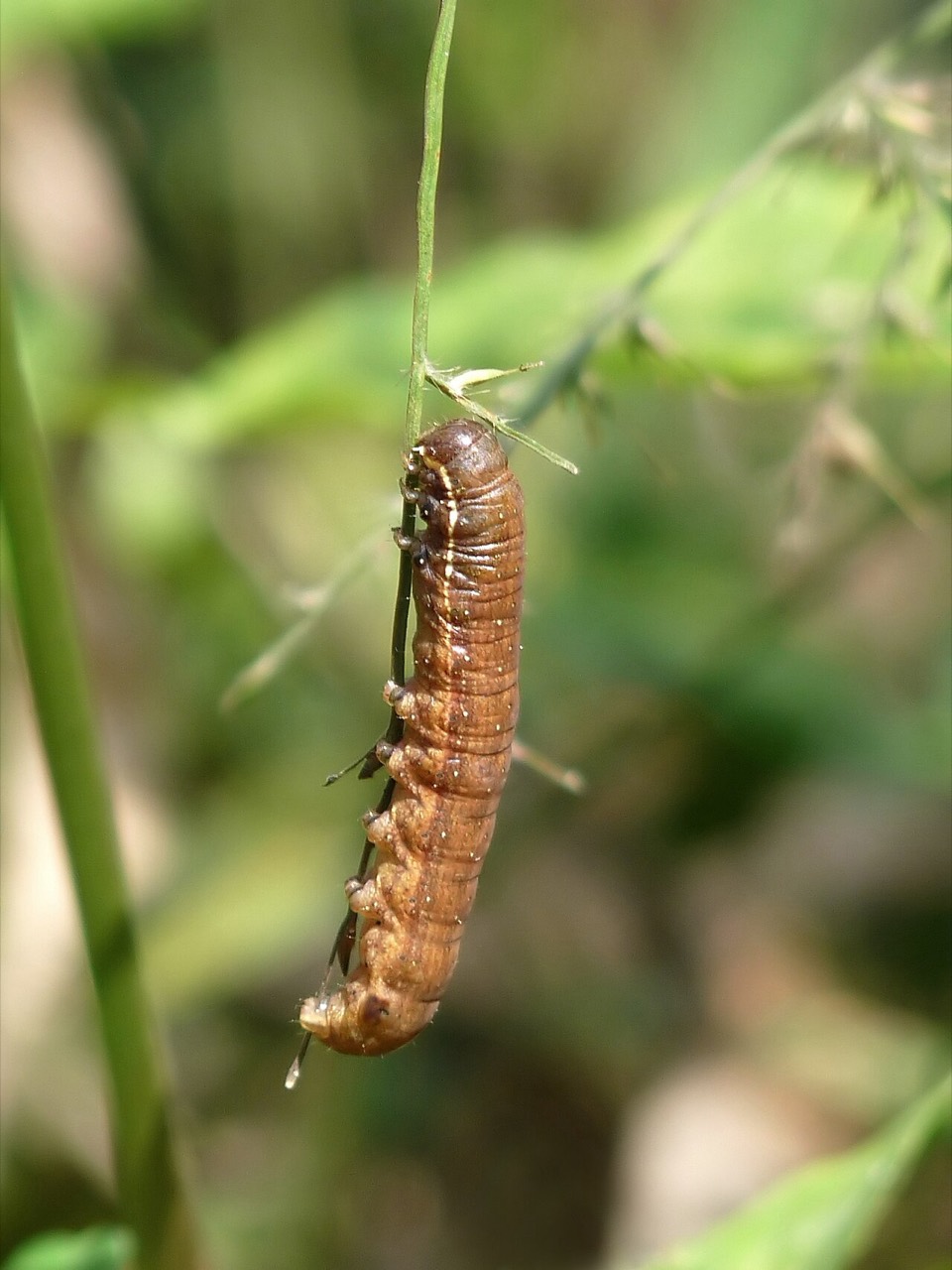
Cutworms are the larvae of several moth species in the family Noctuidae. They hide in soil or plant debris during the day and feed at night, often severing young seedling stems at or just below the soil surface, a distinct and easily recognized pattern of damage.
Because a single larva can cut down several seedlings across successive nights as it moves along a row, even modest populations can cause disproportionate stand losses in freshly planted or recently emerged crops.
Identification
Cutworm larvae are plump, smooth, and somewhat greasy-looking, ranging from grey to brown to nearly black. When disturbed, they characteristically curl tightly into a C-shape, a useful field clue for distinguishing them from other soil-dwelling caterpillars.
- Seedlings cut off at or just below the soil surface, often lying nearby
- Larvae curled in a tight C-shape when soil near a damaged plant is disturbed
- Damage concentrated in patches soon after planting or emergence
Biology and life cycle
Adult moths lay eggs in soil or on plant debris and weeds, with timing that varies by species and region. In many temperate areas larvae overwinter in the soil, resuming feeding as temperatures rise in spring, while other species produce generations during the growing season.
Larvae pass through several instars before pupating in the soil, and depending on species and climate, one to several generations can occur each year.
Damage and hosts
Newly transplanted or emerging seedlings are the most vulnerable stage, since larvae sever stems at the soil line, killing plants outright. Established plants with thicker stems are usually far less affected.
Cutworms attack a broad range of vegetables and field crops, with maize, cabbage, lettuce, and tomato among the notable hosts.
Monitoring
Pre-plant scouting for larvae in soil and debris, along with checking for early cutting damage right after planting or emergence, helps identify risk before losses accumulate. Pheromone traps are available for some species to track adult moth flight, and weedy field margins are worth inspecting since egg-laying is often associated with weeds and ground cover.
Management principles
Cutworm management centres on reducing conditions that attract egg-laying moths and protecting the vulnerable seedling stage.
- Control weeds ahead of planting, since they attract egg-laying moths and shelter larvae
- Scout closely in the first weeks after planting or emergence, when seedlings are most vulnerable
- Conserve ground beetles and other natural enemies
- Use physical seedling collars or barriers where practical for high-value transplants
- Consider tillage timing to disrupt overwintering or resident larvae
Relationships
Evidence-backed connections in the knowledge graph.
Risk increases under
Managed with
Scope & limitations
Geographic scope: Found worldwide wherever host crops are grown; species, seasonal timing, and pressure vary considerably by region and climate.
Climate context: Overwintering strategy and generation timing depend heavily on regional temperature, with warmer climates supporting more generations per year.
- This is a general overview of a group of species with similar habits, not species-level guidance for a specific crop or region.
- Thresholds and control-product recommendations are jurisdiction-specific and are not provided here.
Sources
This article draws on the following authoritative sources. See our sources & methodology for how they are selected.
- [1]UC Statewide Integrated Pest Management Program (UC IPM) (opens in a new tab)High
University of California Agriculture and Natural Resources (UC ANR)
Cited for: Identification and IPM principles
- Type:
- University extension service
- Jurisdiction:
- United States (California)
- Accessed:
- 2026-07-12
- [2]CABI Digital Library — Crop Protection Compendium (opens in a new tab)High
CABI (Centre for Agriculture and Bioscience International)
Cited for: Biology, hosts, and distribution
- Type:
- Reference database
- Jurisdiction:
- Global
- Accessed:
- 2026-07-12
- [3]Iowa State University Extension and Outreach (opens in a new tab)High
Iowa State University Extension and Outreach
Cited for: Field crop monitoring and management context
- Type:
- University extension service
- Jurisdiction:
- United States (Iowa)
- Accessed:
- 2026-07-12
- [4]University of Minnesota Extension — Crop and pest resources (opens in a new tab)High
University of Minnesota Extension
Cited for: Vegetable crop scouting guidance
- Type:
- University extension service
- Jurisdiction:
- United States (Minnesota)
- Accessed:
- 2026-07-12