Crop · Culinary herb crop
Basil
Ocimum basilicum
Also known as: Sweet basil
Basil is a warm-season annual herb grown for its aromatic leaves, used fresh and dried as a culinary herb and as a source of essential oil for the food and fragrance industries.
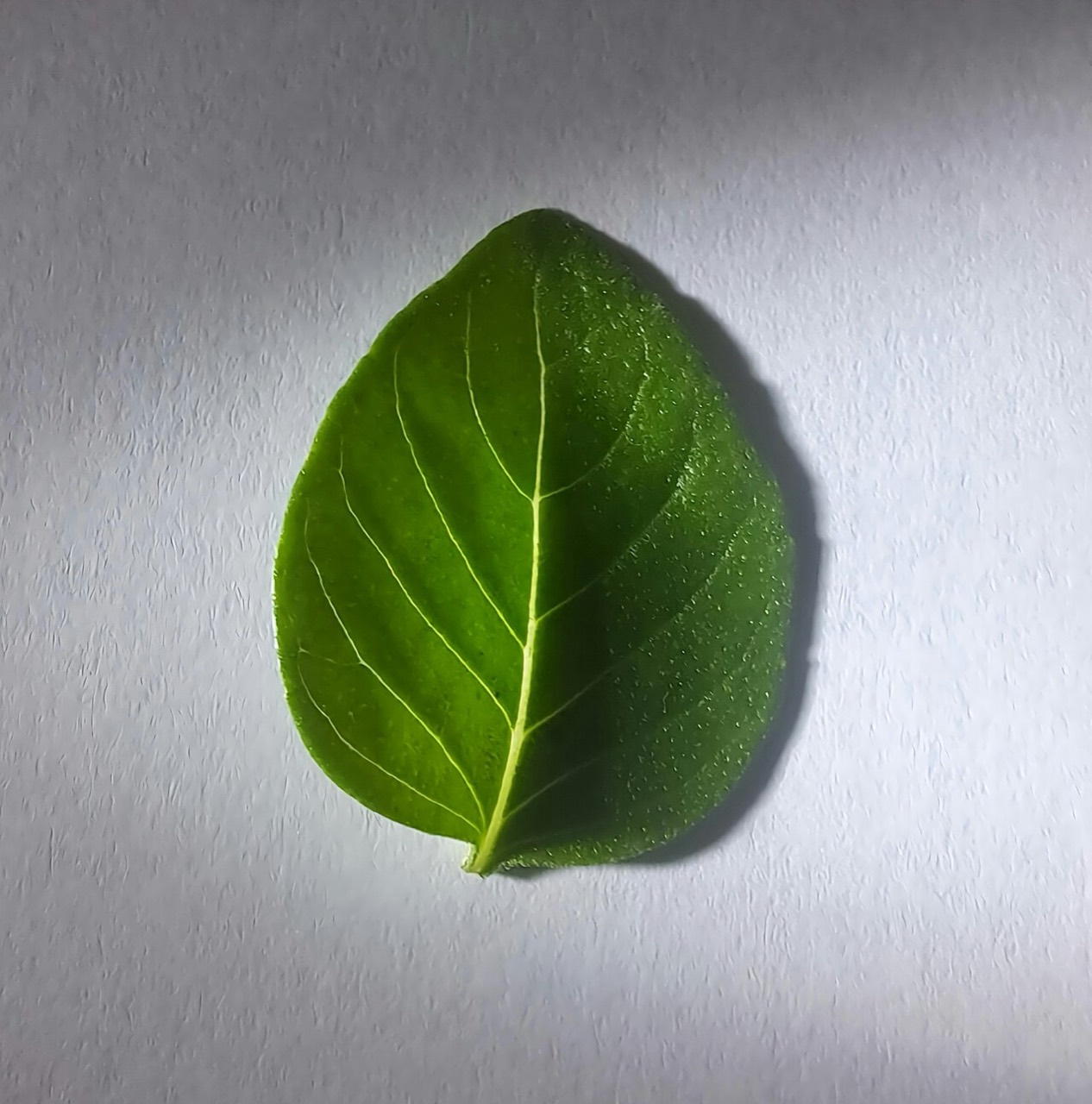
Basil is one of the most widely grown culinary herbs, cultivated in field, protected-cropping, and hydroponic systems across a broad range of climates. Numerous cultivars differ in leaf size, color, and aroma profile.
As a warm-season annual with essentially no frost tolerance, basil is typically transplanted or direct-sown after the danger of frost has passed and grown through a single warm season, or year-round under protected cultivation.
Overview
Basil is grown for its leaves, which are used fresh, dried, or processed into oils and extracts. Production spans open-field horticulture, greenhouse and tunnel systems, and soilless hydroponic operations supplying fresh-cut and potted herb markets.
Because leaf quality and aroma are central to its value, harvest timing, handling, and post-harvest cooling are managed carefully to limit wilting and discoloration.
Botanical classification
- Family
- Lamiaceae (mint family)
- Genus
- Ocimum
- Principal species
- Ocimum basilicum
- Growth habit
- Upright, branching annual herb with opposite leaves and terminal flower spikes
Origin and distribution
Basil is believed to have originated in tropical Asia and has been cultivated for millennia across South and Southeast Asia, the Mediterranean, and beyond, becoming a defining herb in numerous regional cuisines.
Today, basil is grown commercially in many countries for fresh, dried, and processed markets, with production and trade data compiled at national and regional levels rather than through a single global dataset.
Climate and soil requirements
Basil requires warm growing conditions and is highly sensitive to chilling injury and frost, which quickly damage or kill foliage. Growth is fastest under warm days and nights with adequate light.
Fertile, well-drained loams and sandy loams support healthy root growth; waterlogged or poorly aerated soils increase the risk of root and stem diseases.
Cultivation and management
- Transplants or direct seeding after risk of frost and chilling has passed
- Adequate plant spacing and airflow to reduce humidity around foliage and limit foliar disease
- Repeated cutting or pinching to encourage branching and extend the harvest period
- Crop rotation and sanitation to manage soil-borne pathogens where basil is grown in the same beds repeatedly
Nutrient considerations
Nitrogen supports leafy growth central to basil’s value as a fresh herb, while potassium contributes to overall plant vigor across repeated harvests.
Water and irrigation
Basil requires consistent moisture for tender, high-quality leaf growth but is sensitive to prolonged leaf wetness, which favors foliar disease. Drip irrigation is widely used in field production to keep foliage dry.
In greenhouse and hydroponic systems, irrigation and nutrient delivery are managed together according to the specific production method used.
Common diseases and pests
Basil downy mildew is one of the most economically significant diseases of the crop worldwide, spreading rapidly under humid conditions and causing characteristic yellowing and leaf drop. Fusarium wilt can also affect basil, causing vascular disease and plant collapse. Aphids, thrips, and spider mites are common pests affecting foliage.
| Problem | Type | Notes |
|---|---|---|
| Downy mildew | Disease | Major foliar disease under humid conditions |
| Fusarium wilt | Disease | Vascular disease causing wilting and collapse |
| Aphids | Pest | Sap-feeding insects on young growth |
| Thrips | Pest | Cause leaf scarring and can spread viruses |
| Spider mites | Pest | Favored by hot, dry conditions |
Harvest
Leaves and shoot tips are harvested by hand or machine before flowering, when aroma and leaf quality are typically highest, with repeated cuttings possible over the growing period as new growth develops.
Uses
- Fresh and dried culinary herb used widely in cooking
- Essential oil extracted for the flavor and fragrance industries
- Potted and fresh-cut herb products for retail markets
- Ornamental and companion planting use in some garden systems
Botanical identity
Species- Accepted name
- Ocimum basilicum
- Family
- Lamiaceae
- Genus
- Ocimum
- Harvested part
- leaf
- Agricultural use
- human food, spice
- Crop group
- Spices and herbs, Vegetables
What the authorities say
- World Flora Online — Taxonomic Backbone
- Ocimum basilicum
- Plants of the World Online
- Ocimum basilicum
Botanical identity here is what the consulted taxonomic authorities publish, on the date they were read. Where authorities disagree, both readings are shown rather than one being chosen silently.
What AgricultureID holds for this crop
- 2 soil references
- 2 climate references
Not held
- No crop calendar records — source exists not mapped
- No published cultivars — not researched
- No official variety registrations — source exists not mapped
- No verified extension resources — source exists not ingested
- No pests and diseases naming this crop as a host — source exists not ingested
- No farm economics observations — source exists not mapped
- No market price series — source exists not mapped
- No related crops — not applicable
An absence here means this corpus holds no such record, not that none exists.
How to read figures on this page
Production, area and trade figures for any crop change from season to season and are compiled by FAO and by national agricultural statistics agencies. Take current numbers from those primary sources, dated to the period you mean, rather than from a secondary summary — including this one.
Crop water requirements are estimated from reference evapotranspiration and local climate data, following methods published by FAO and national agricultural agencies. A requirement quoted without the reference method and the local climate behind it is not a number that can be applied to a field.
Part of
Tools for this
Each tool shows its formula, constants and sources, and starts empty — nothing is filled in from this page.
- Seed-rate calculator
Convert a target plant stand into a seed rate, allowing for germination and establishment.
- Row spacing calculator
Work out in-row spacing and plants per metre of row for a target density.
- Production, area and yield calculator
Relate a harvested area and a yield to a production total, in either direction.
- Growing degree-days calculator
Accumulate heat units against a base temperature.
Relationships
Evidence-backed connections in the knowledge graph.
Susceptible to
Suitable soils
Climate sensitivity
Irrigation methods
Managed with
Farming systems
Scope & limitations
Geographic scope: Global overview; grown commercially in many countries for fresh, dried, and processed herb markets, in both field and protected-cropping systems.
Climate context: Warm-season annual herb with no frost tolerance, grown outdoors in warm months or year-round under protection.
- Cultivar choice, planting density, and cutting frequency vary by production system and are not detailed exhaustively here.
- Basil is discussed here only as a culinary and agricultural crop; medicinal or health-efficacy claims are outside the scope of this reference.
Sources
This article draws on the following authoritative sources. See our sources & methodology for how they are selected.
- [1]FAO — Food and Agriculture Organization (opens in a new tab)Authoritative
Food and Agriculture Organization of the United Nations (FAO)
Cited for: Global herb crop production context
- Type:
- Intergovernmental organization
- Jurisdiction:
- Global
- Accessed:
- 2026-07-12
- [2]CABI Digital Library — Crop Protection Compendium (opens in a new tab)High
CABI (Centre for Agriculture and Bioscience International)
Cited for: Basil disease and pest compendium data
- Type:
- Reference database
- Jurisdiction:
- Global
- Accessed:
- 2026-07-12
- [3]Cornell CALS — Plant pathology and crop resources (opens in a new tab)High
Cornell University College of Agriculture and Life Sciences
Cited for: Basil downy mildew and production research
- Type:
- University extension service
- Jurisdiction:
- United States (New York)
- Accessed:
- 2026-07-12
- Moderate
Cited for: Cultivation guidance
- Type:
- Reference database
- Jurisdiction:
- United Kingdom
- Accessed:
- 2026-07-12
- Authoritative
Cited for: Classification and nomenclature
- Type:
- Reference database
- Jurisdiction:
- United States
- Accessed:
- 2026-07-12