Farming System · Farming system
Organic Farming
Also known as: Organic agriculture, Organic production
Organic farming is a production approach governed by certification standards that restrict synthetic pesticides, synthetic fertilizers, and genetically modified inputs, relying instead on crop rotation, organic soil amendments, and biological pest management.
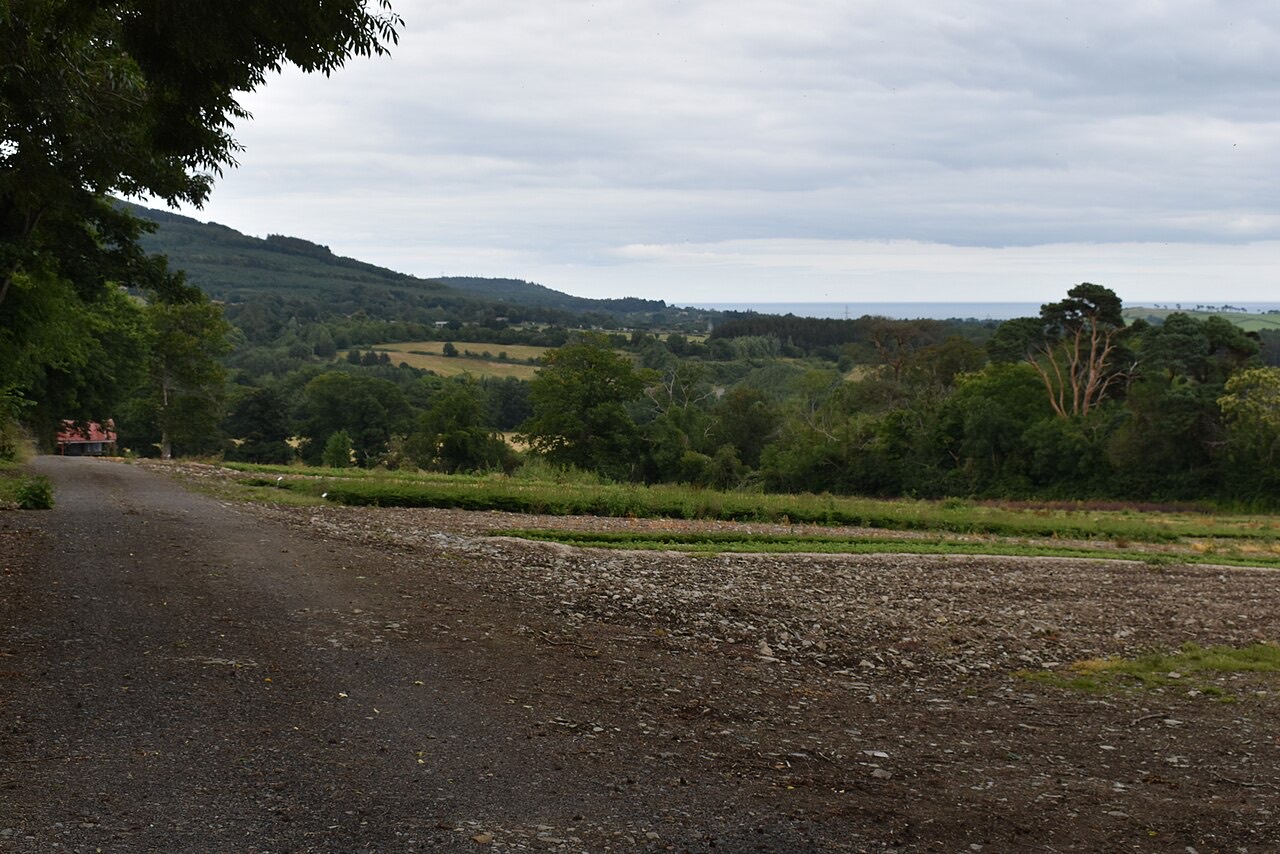
Organic farming is a system of crop and livestock production defined less by a single technique than by a certification standard: it restricts or prohibits synthetic pesticides, synthetic fertilizers, and genetically modified organisms, and requires practices such as crop rotation, cover cropping, and organic soil amendments to maintain fertility and manage pests. What counts as “organic” is set by national or regional regulations, so the specific rules a farm must follow depend on where it is certified and where it intends to sell.
Because organic standards are regulatory rather than purely agronomic, organic farming spans a wide range of practical intensities, from diversified smallholder systems to large, mechanized operations that meet certification rules while still relying substantially on purchased organic-approved inputs. It is one of several production approaches — alongside conventional, regenerative, and integrated systems — that farms adopt depending on markets, resources, and goals.
What organic farming is
Organic farming is best understood as production carried out under a specific regulatory standard rather than as one fixed technique. Certifying bodies define an approved and a prohibited list of inputs and practices, and a farm must follow those rules and pass inspection to market its output as “organic.”
- Certified organic
- Produce or livestock grown under an approved standard and verified by inspection or audit.
- Organic-approved input
- A fertilizer, pesticide, or other input permitted under a given organic standard, distinct from a synthetic equivalent.
- Conversion period
- The multi-year period a farm must operate under organic rules before its output can be certified.
Standards and certification
Organic standards are set and enforced by national or regional authorities, and the detailed rules — permitted inputs, conversion periods, record-keeping, and inspection requirements — differ between jurisdictions. A practice or input allowed under one country’s organic regulation may not be allowed under another’s.
Core practices
- Multi-year crop rotations to break pest and disease cycles and diversify nutrient demand
- Cover cropping and green manures to protect and build soil organic matter
- Composted or raw animal manures and other organic amendments for fertility
- Biological, cultural, and mechanical pest and weed control in place of most synthetic pesticides
- Use of resistant or locally adapted varieties and diversified plantings
Because synthetic pesticide and fertilizer options are restricted, organic systems lean heavily on preventive strategies — rotation, timing, and biological processes — rather than on a single corrective input applied after a problem appears.
Pest and fertility management
Fertility in organic systems is built mainly through biological cycling — compost, manures, green manures, and rotations that include nitrogen-fixing legumes — rather than through readily soluble synthetic fertilizer. Pest and weed management similarly relies on prevention, biological control agents, and cultural practices, since most synthetic pesticides are excluded.
| Input category | Typical organic approach |
|---|---|
| Soil fertility | Compost, manures, green manures, legume rotations |
| Weeds | Mechanical cultivation, mulching, rotation, timing |
| Insect pests | Biological control agents, approved botanical or microbial products, cultural controls |
| Disease | Resistant varieties, rotation, sanitation, approved biological or mineral products |
Benefits and trade-offs
- Reduces reliance on synthetic pesticides and fertilizers on certified land
- Practices such as composting and rotation can support soil biological activity over time
- Often accesses markets willing to pay a price premium for certified organic products
- Diversified rotations can support on-farm biodiversity
- Yield can be more variable and, for some crops and regions, lower than intensive conventional systems
- Weed and pest management without synthetic options can require more labor or skilled management
- Certification involves cost, record-keeping, and inspection
- Sourcing enough organic-approved fertility inputs can be a constraint in some regions
Where organic farming is used
Organic production is found worldwide, from certified smallholder plots supplying local markets to large mechanized farms and processors supplying export markets. It is most established in horticultural and fruit crops, dairy, and diversified mixed farms, and least common where certification infrastructure, input access, or market demand is limited.
Relationships
Evidence-backed connections in the knowledge graph.
Scope & limitations
Geographic scope: Organic farming is practiced worldwide, but the legal definition of "organic" and its certification requirements are set by national or regional authorities and differ between jurisdictions.
Climate context: Pest pressure, disease risk, and cover-crop options under organic management vary strongly with regional climate.
- This entry describes organic farming in general terms; it is not a certification guide and does not replace the specific standard that applies in a given country.
- It makes no yield, profitability, or environmental-impact comparisons with other systems, since outcomes vary too widely by crop, region, and management to generalize.
Sources
This article draws on the following authoritative sources. See our sources & methodology for how they are selected.
- [1]FAO — Food and Agriculture Organization (opens in a new tab)Authoritative
Food and Agriculture Organization of the United Nations (FAO)
Cited for: Organic agriculture within sustainable production systems
- Type:
- Intergovernmental organization
- Jurisdiction:
- Global
- Accessed:
- 2026-07-12
- [2]USDA NRCS — Natural Resources Conservation Service (opens in a new tab)Authoritative
USDA Natural Resources Conservation Service (NRCS)
Cited for: Soil health practices used in organic and other systems
- Type:
- Government agency
- Jurisdiction:
- United States
- Accessed:
- 2026-07-12
- [3]European Commission — Agriculture and rural development (opens in a new tab)Authoritative
European Commission, Directorate-General for Agriculture
Cited for: EU organic farming regulation and policy context
- Type:
- Government agency
- Jurisdiction:
- European Union
- Accessed:
- 2026-07-12
Cited for: Research on organic and low-input production systems
- Type:
- Research institute
- Jurisdiction:
- Global
- Accessed:
- 2026-07-12
Related topics
Crops
- Abaca
- Adzuki Bean
- Aloe vera
- Amaranth
- Artichoke
- Asian Pear
- Birdsfoot Trefoil
- Black Cumin
- Buckwheat
- Cape Gooseberry
- Chamomile
- Cinnamon
- Citrus
- Coriander
- Dill
- Durian
- Einkorn
- Emmer
- Fennel
- Fenugreek
- Guava
- Jerusalem Artichoke
- Jicama
- Kale
- Kiwifruit
- Lavender
- Lima Bean
- Lowbush Blueberry
- Maize
- Makrut Lime
- Mandarin
- Mangosteen
- Mashua
- Mint
- Oca
- Okra
- Oregano
- Pomelo
- Quince
- Ramie
- Red Clover
- Rosemary
- Saffron
- Sage
- Sainfoin
- Scarlet Eggplant
- Sea Buckthorn
- Sour Cherry
- Soybean
- Spelt
- Star Anise
- Stevia
- Swiss Chard
- Thyme
- Tobacco
- Ulluco
- Wasabi
- Waterleaf
- Wheat
- White Clover
- Yardlong Bean
- Yerba Mate