Machinery · Agricultural machinery
Sprayer
An agricultural sprayer applies liquid crop-protection products or foliar nutrients to fields, atomising a tank mixture into droplets and distributing it evenly across a target area through a boom or targeted nozzles.
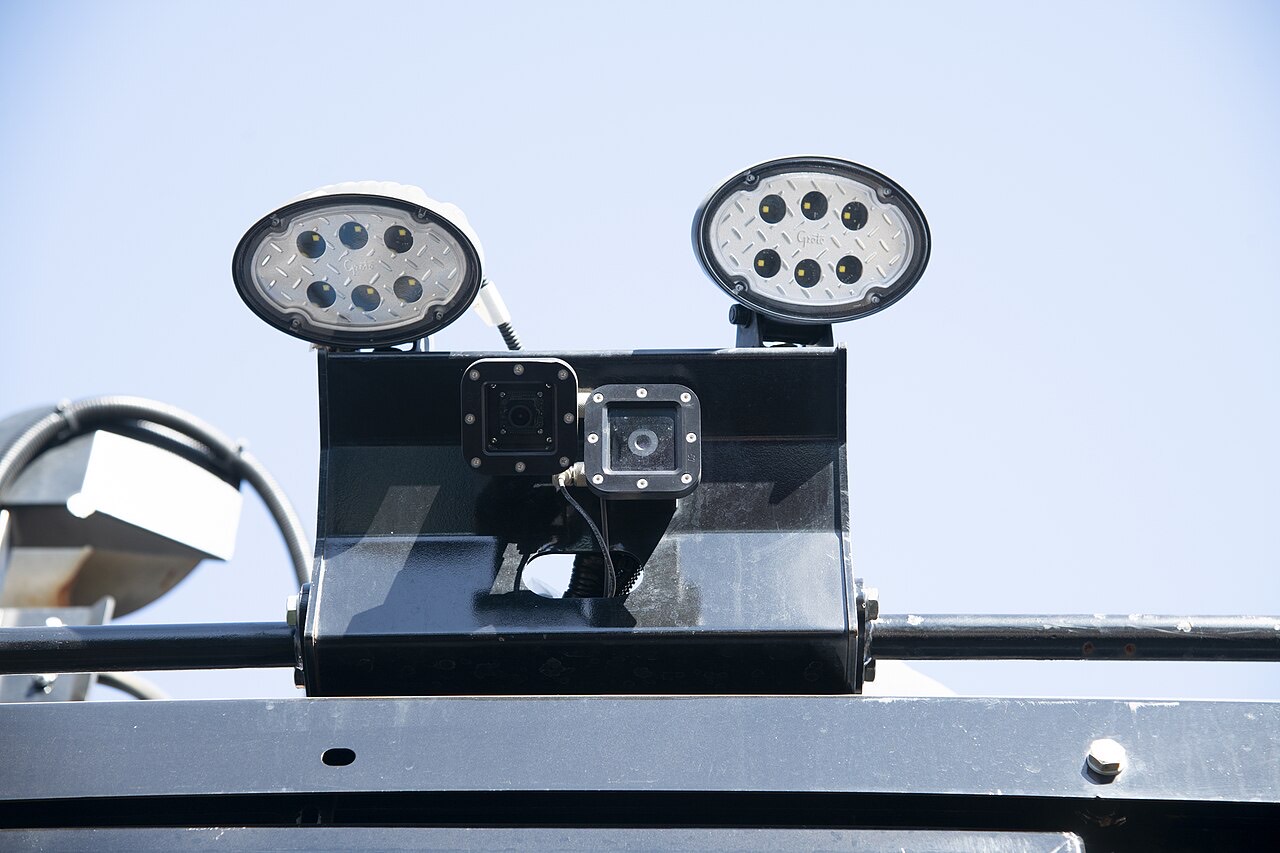
A sprayer is the equipment used to apply pesticides, herbicides, fungicides, and some liquid fertilizers to crops. Its core task is to convert a tank mixture into a controlled spray of droplets and distribute that spray evenly over the target — whether an entire field, a crop canopy, or an individual weed.
Sprayers range from small handheld or backpack units to large self-propelled or trailed machines with booms tens of metres wide, and their use sits within a broader crop-protection decision process that also involves scouting, thresholds, and product choice.
What a sprayer is
A sprayer’s function is to deliver a measured, evenly distributed volume of a liquid product to a target area. It is the delivery mechanism for chemical and some biological crop-protection strategies, working in support of — not instead of — scouting, correct product selection, and application timing.
How it works
- Water and product are combined in a tank and mixed to form the spray solution
- A pump draws the mixture and delivers it under pressure to the boom or nozzles
- Nozzles atomise the liquid into droplets of a size suited to the product and target
- The boom or nozzle arrangement distributes droplets evenly across the working width
- Controllers regulate flow rate relative to travel speed to maintain a consistent application rate
Role in crop protection
Sprayers are used throughout the growing season for pre-emergence and post-emergence herbicide applications, insecticide treatments against pests, and fungicide programs against foliar and other diseases, as well as for some foliar nutrient applications. Timely, well-targeted spraying can improve efficacy and reduce the total amount of product needed.
Types and variations
- Trailed/mounted boom sprayer
- Towed or tractor-mounted, with a folding boom for field-scale application
- Self-propelled sprayer
- A dedicated, high-clearance machine used for larger operations and taller crops
- Air-blast/orchard sprayer
- Uses an air stream to carry droplets into tree or vine canopies
- Backpack/handheld sprayer
- Small-scale equipment for spot treatment or smallholder use
Operating considerations
Nozzle type, spray pressure, droplet size, boom height, and weather conditions such as wind all affect how well a spray reaches its target and how much drifts away from it. Calibration — checking that the actual application rate matches the intended rate — is a routine part of safe, effective spraying.
Relationships
Evidence-backed connections in the knowledge graph.
Farming systems
Scope & limitations
Geographic scope: General overview of agricultural sprayers as used across crop-protection programs worldwide. Approved products, rates, and regulations are jurisdiction-specific.
- This entry describes sprayer function and types in general terms; it is not guidance on specific products, rates, or timings, which are label- and region-specific.
- Drift and off-target movement depend heavily on equipment settings and weather and are not quantified here.
Sources
This article draws on the following authoritative sources. See our sources & methodology for how they are selected.
- [1]UC Statewide Integrated Pest Management Program (UC IPM) (opens in a new tab)High
University of California Agriculture and Natural Resources (UC ANR)
Cited for: Sprayer role within integrated pest management
- Type:
- University extension service
- Jurisdiction:
- United States (California)
- Accessed:
- 2026-07-12
- Authoritative
Cited for: Pesticide application and label requirements
- Type:
- Government agency
- Jurisdiction:
- United States
- Accessed:
- 2026-07-12
- [3]Iowa State University Extension and Outreach (opens in a new tab)High
Iowa State University Extension and Outreach
Cited for: Sprayer calibration and operation
- Type:
- University extension service
- Jurisdiction:
- United States (Iowa)
- Accessed:
- 2026-07-12
- [4]FAO — Food and Agriculture Organization (opens in a new tab)Authoritative
Food and Agriculture Organization of the United Nations (FAO)
Cited for: Role of crop-protection application in agriculture
- Type:
- Intergovernmental organization
- Jurisdiction:
- Global
- Accessed:
- 2026-07-12